We all play sports but hardly anyone asks which sport to play based on longevity or the sport that will help us live the longest. All sports or excercise help us keep our hearts pumping, our muscles strong, and our minds sharp, yes, but some are statistically better than others. Some sports are proven to provide longevity and literally add more healthy years to your lifespan.
For years, people assumed that solitary, high-intensity cardio like jogging or grinding it out on an elliptical was the golden ticket to a long life. The constant motion, no breaks, and building on something you use every day would make it a no-brainer. However, major epidemiological research, including the landmark Copenhagen City Heart Study and data published in the British Journal of Sports Medicine, has completely flipped that script.
If you want to maximize your time and live a long life, science suggests you should look for sports that incorporate both the body and the brain. Here is a breakdown of the healthiest sports to based on longevity, ranked by how many years they can add to your life.
The Longevity Leaderboard: How Sports Stack Up in the competition.
According to the Copenhagen City Heart Study, which tracked over 8,500 adults for up to 25 years, certain sports dramatically outpaced others when it came to extending life expectancy compared to a sedentary lifestyle:
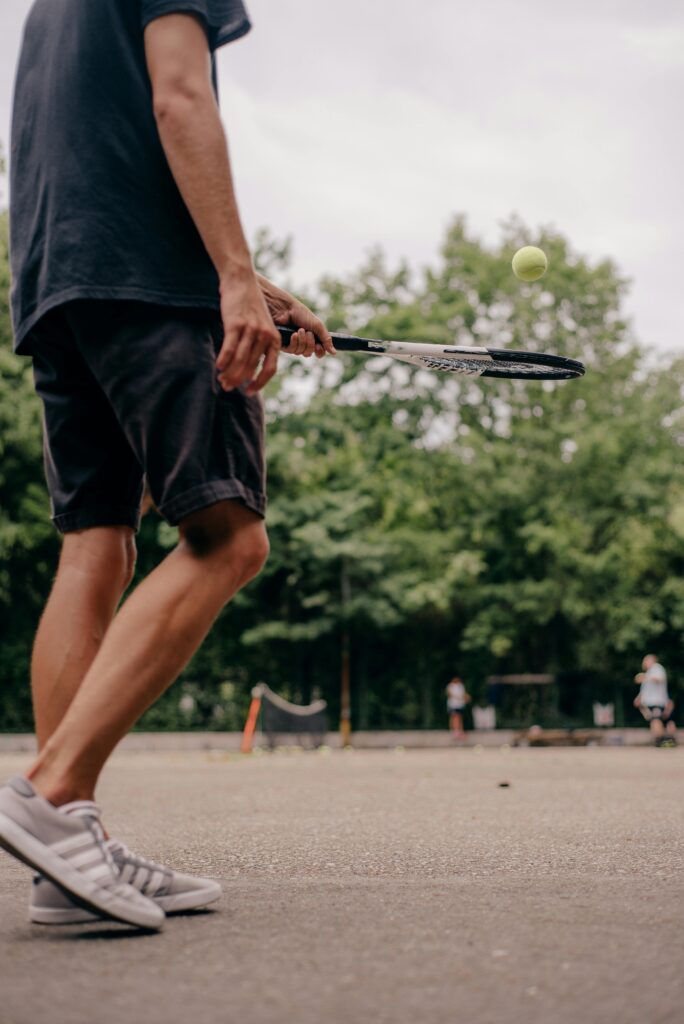
Tennis: +9.7 years
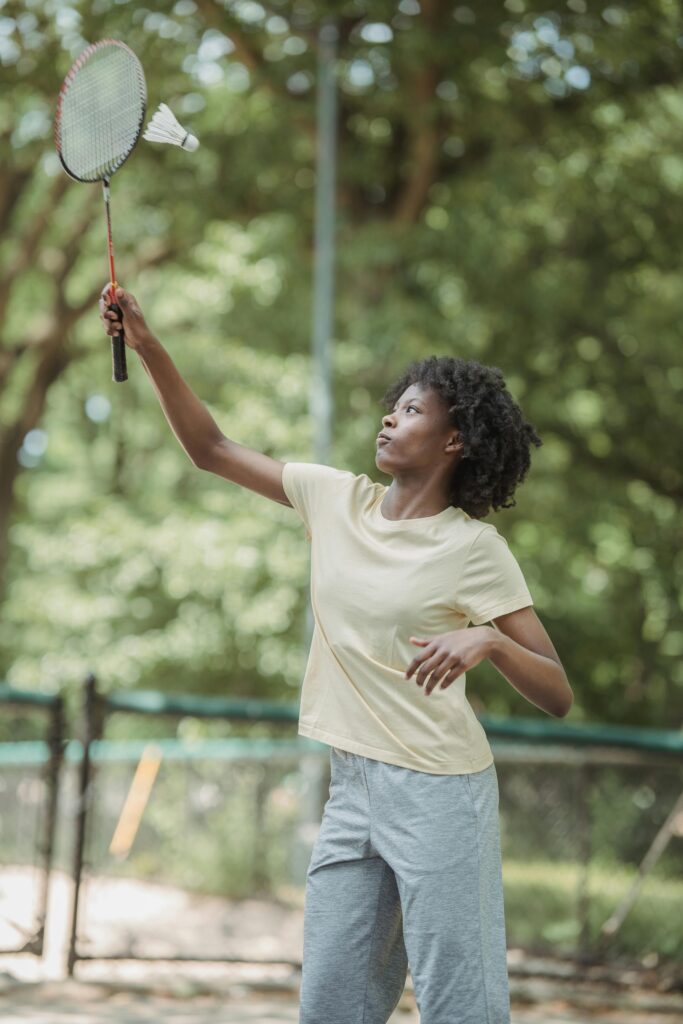
Badminton: +6.2 years
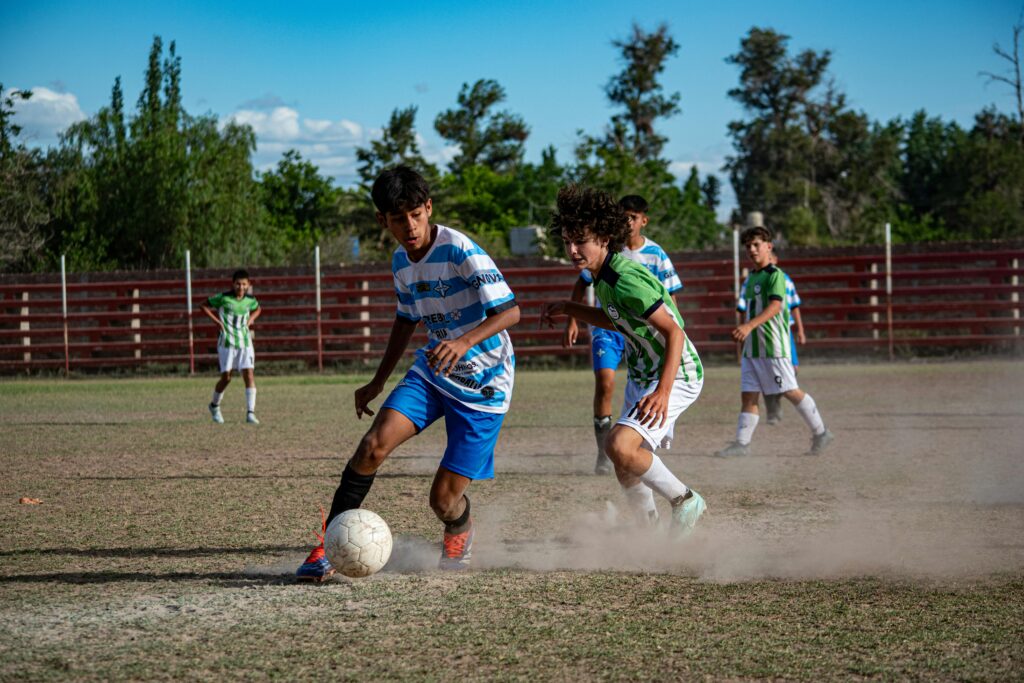
Soccer: +4.7 years

Cycling: +3.7 years
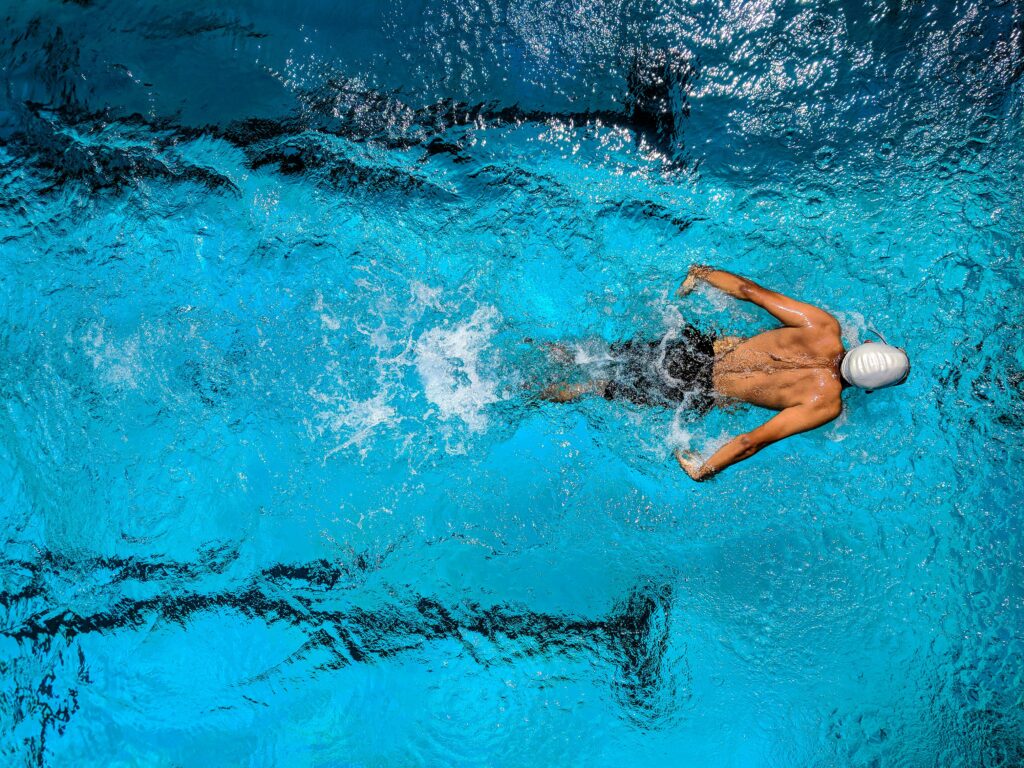
Swimming: +3.4 years

Jogging: +3.2 years

Calisthenics: +3.1 years

Health Club Activities (Treadmill/Weights): +1.5 years
Why Racket Sports Are the Ultimate Fountain of Youth
Now look at the numbers here, it’s impossible to ignore the massive gap between playing tennis (+9.7 years) and going to the gym (+1.5 years). That’s nearly a decade of longevity of life put back into you and a healthy life for that matter. So why do racket sports which includes tennis which is 1st, badminton which is 2nd, a category that also heavily includes the fastest growing sport of pickleball, provide such a massive longevity boost? Experts point to three main pillars:
1. The Social Connection Secret
The single biggest differentiator between the top-performing sports and solitary exercises is human interaction. Tennis, badminton, and soccer inherently require partners or teammates. Well, all of them pretty much do, but these are more intimate as 1-4 people can play. Being social is one of the most important things that someone can do for their health.
As Dr. James O’Keefe, a cardiologist and co-author of the Copenhagen study, noted to Time, the psychological and physical benefits of exercising are amplified when we connect with others and be social. Social isolation is a major, independent risk factor for early death as it leads to chronic diseases and deteriorates social skills. Playing a sport with friends lowers stress, releases endorphins, and provides a powerful sense of community that lone workouts simply can’t replicate.
In fact, the ones that scored the lowest are the ones where you actually and actively do by yourself. It’s best to pair up with a buddy and it pays to pester them to play together.
2. Natural High-Intensity Interval Training (HIIT)
Racket sports don’t require you to maintain a grueling pace for an hour straight like cycling or running. Instead, they are built on short, explosive bursts of movement (chasing a ball, lunging, swinging) followed by brief moments of rest between sets or points. This naturally mimics High-Intensity Interval Training (HIIT), which has been proven to be incredibly efficient at improving cardiovascular health, boosting metabolic rate, and maintaining heart elasticity.
3. Cognitive and Physical Balance
To play a sport like tennis or pickleball, your brain has to work just as hard as your legs. You are constantly calculating the ball’s trajectory, adjusting your balance, shifting your weight, positioning your body, and strategizing your next shot in a split second. This intense combination of hand-eye coordination, agility, and mental focus serves as a brilliant buffer against cognitive decline and dementia as we age.
What About Other Sports?
While racket sports take the crown, other activities offer distinct advantages:
- Golf: If you ditch the golf cart and walk the course, golf provides excellent, gentle aerobic activity, rotational power, and balance all packaged in a highly social environment. I suppose there’s a reason why the most powerful elite play this sport.
- Water Polo & Cycling: These remain incredibly low-impact options that protect your joints while providing full-body aerobic conditioning. They are fantastic for cardiovascular health, even if they lack the forced social structure of court sports.
The Bottom Line
You don’t need to become a Grand Slam champion to reap these benefits. The overarching takeaway from longevity research is that consistency and playing matter most.
For a long and vibrant life or to further amplify your own, a sport to play based on longevity is nothing to scoff at since isn’t that the whole point? Buy a raquet, grab a friend, find a court and begin playing tennis on the road to a long life.